
How much protein to build muscle
The official recommendation of 0.8 g of protein per kg of body weight is the minimum to avoid deficiency, not the amount that helps you build muscle. Research on people who lift weights points to about 1.6 g per kg (0.7 g per lb) as the point where most people get the full benefit, with up to 2.2 g per kg (1 g per lb) as a safe upper target for those who want to be sure.
When you're eating in a calorie deficit to lose fat, protein needs go up a little. Eating 2.0–2.4 g per kg helps you keep the muscle you've built while the scale goes down.
How the ranges are set
| Goal | g per kg | g per lb |
|---|---|---|
| General health | 0.8–1.0 | 0.36–0.45 |
| Maintain muscle | 1.4–1.8 | 0.64–0.82 |
| Build muscle | 1.6–2.2 | 0.73–1.0 |
| Lose fat, keep muscle | 2.0–2.4 | 0.91–1.1 |
Spread it across your meals
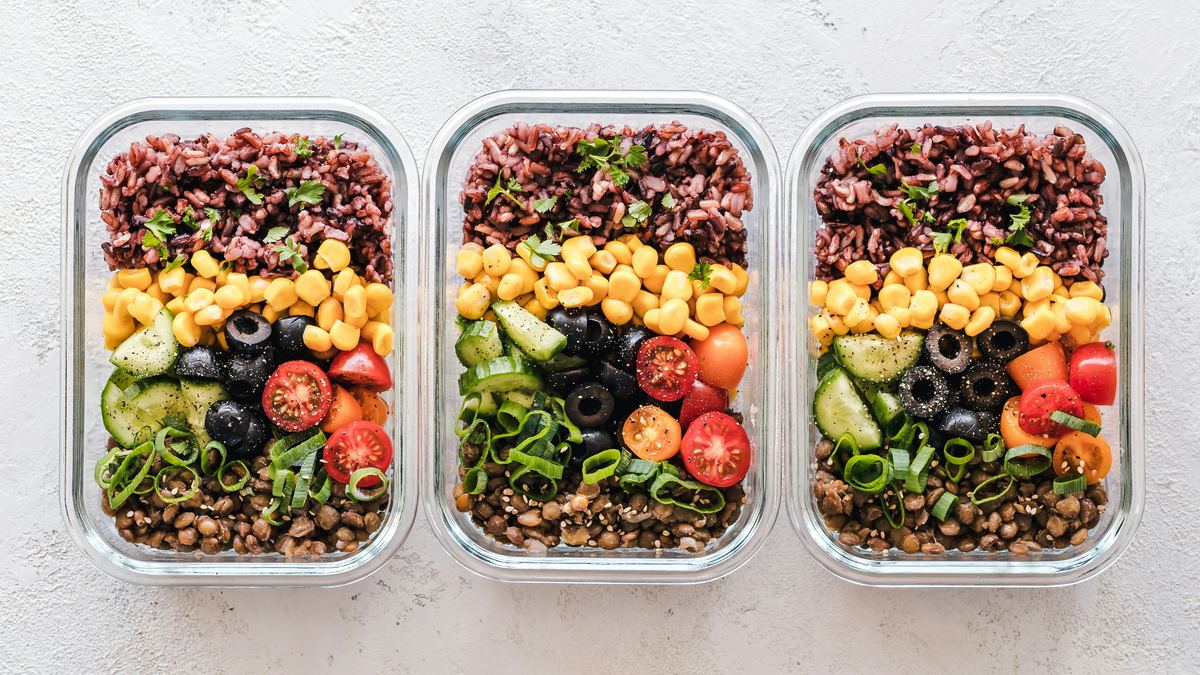
Your body can use protein from a big meal, but spreading it out over 3–5 meals of 25–50 g each makes the daily target easier to hit and keeps muscle building going through the day. A meal with a palm-sized portion of meat or fish, a cup of Greek yogurt or a protein shake each gets you most of the way to one serving.
Frequently asked questions
Can you eat too much protein?
For healthy adults, intakes up to around 2.5–3 g per kg haven't shown harm in studies, but going beyond about 2.2 g per kg rarely adds extra muscle. If you have kidney problems, talk to your doctor first.
Do I need protein shakes?
No. Shakes are just a convenient way to reach your target. Meat, fish, eggs, dairy and legumes work just as well.
Should I use my total weight or my lean weight?
Total body weight works for most people. If you carry a lot of body fat, base it on your goal weight instead, so the number stays realistic.
Good protein sources
- Chicken breast: about 31 g per 100 g cooked
- Lean beef: about 26 g per 100 g cooked
- Tuna: about 25 g per 100 g
- Greek yogurt: about 10 g per 100 g
- Eggs: about 6 g per large egg
- Lentils: about 9 g per 100 g cooked
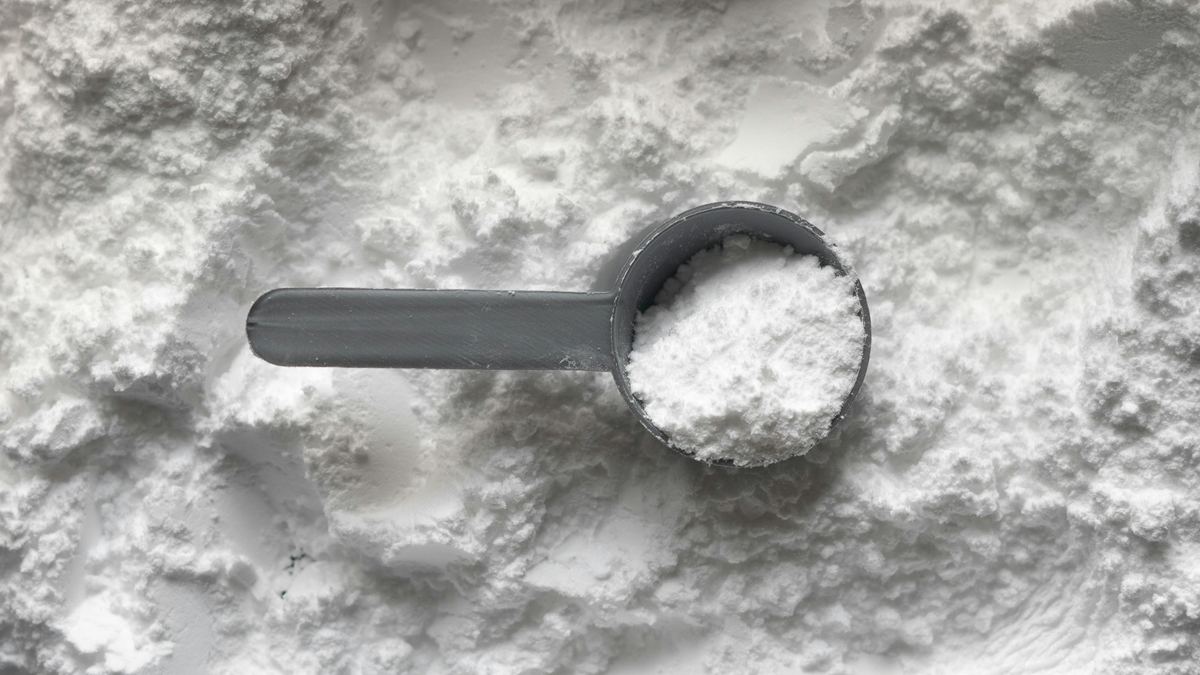
- Whey protein: about 20–25 g per scoop
If you have kidney disease or another medical condition, check with your doctor before raising your protein intake.